
Reliable Towing Across Highway and Mountain Grades
Trailer Repair in Englewood for travel trailers experiencing brake wear, axle stress, and towing safety concerns
Axle inspections reveal bent spindles, worn bearings, and alignment issues that cause uneven tire wear and handling instability during highway travel. Bear Country Colorado repairs travel trailers and general-use trailers used on Colorado highways and mountain roads, where steep grades and sustained braking create demands that expose mechanical weaknesses. Since 2003, the shop has provided brake repair, wheel bearing service, and towing safety support for recreational and commercial trailer owners who need preventative maintenance to reduce long-term repair costs.
Brake repair addresses magnet wear, drum scoring, and hydraulic leaks that reduce stopping power on descents. Wheel bearing checks measure end play and inspect races for pitting caused by water intrusion or heat damage from inadequate lubrication. Towing safety services verify that hitch ball size matches coupler diameter, that safety chains have proper working load limits, and that brake controller settings deliver proportional braking force based on trailer weight and road conditions.
Book an inspection before long-distance hauling to confirm your trailer's mechanical readiness.
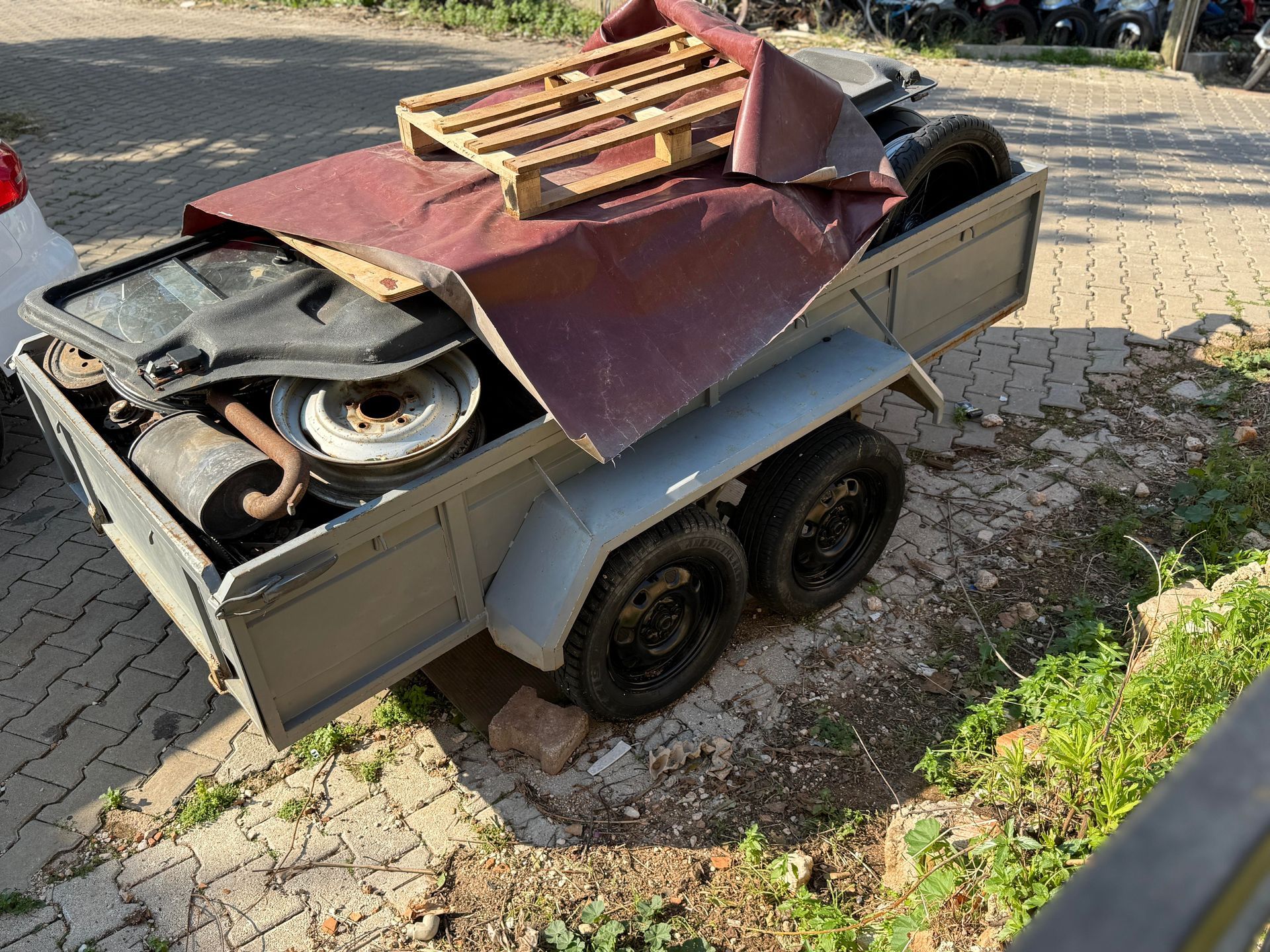
Preventative maintenance catches wear before it progresses to failure. Bearing service intervals are determined by mileage, exposure to water during boat ramp use, and heat generated during mountain descents. Brakes are adjusted to restore proper shoe-to-drum clearance that prevents dragging and overheating, while springs and hangers are inspected for cracks that lead to suspension collapse under load.
After maintenance, your trailer tracks straighter behind the tow vehicle, brakes engage smoothly without grabbing or fading, and tire wear becomes even across the tread surface. Bearing noise disappears, wheel temperature remains consistent after extended highway use, and you no longer feel the pull or wander that indicated alignment or suspension problems during previous trips.
Years of hands-on repair experience allow technicians to identify failure patterns specific to trailer types and usage conditions. Structural inspections evaluate frame rust, cross-member integrity, and floor condition in trailers exposed to road salt and moisture, helping you understand what repairs preserve long-term usability and what issues require immediate attention to maintain towing safety.
What Trailer Owners Need to Know
Both recreational and commercial trailer owners ask about service intervals, component lifespan, and how to recognize problems before they cause roadside failures.
What does a towing safety inspection cover?
Inspections evaluate hitch condition, coupler wear, safety chain attachment points, brake wiring continuity, and tire load rating compliance to verify that all towing components meet manufacturer specifications and legal requirements for safe highway use.
How often should wheel bearings be serviced?
Wheel bearings should be repacked or replaced every 12 months or 12,000 miles for trailers in regular use, with shorter intervals for trailers submerged during boat launching or used in environments where water and dirt enter the hub assembly.
Why do trailer brakes fail on mountain descents?
Brakes fail when shoes are worn thin, when drums are scored and can't dissipate heat, or when magnet strength has degraded to the point where insufficient braking force is generated, allowing heat buildup that causes brake fade and complete loss of stopping power.
What causes uneven tire wear on trailers?
Uneven wear results from axle misalignment, bent spindles from impact damage, improper tire pressure, or suspension problems that shift load distribution and create uneven contact pressure between the tire and road surface.
How does altitude affect trailer performance in Englewood and surrounding areas?
Higher elevations reduce air density, which affects brake cooling and increases brake temperatures during descents, making properly adjusted brakes and adequate drum thickness critical for trailers traveling through Colorado mountain passes.
Bear Country Colorado supports trailer owners who need reliable service and experienced technicians familiar with the demands of Colorado travel. Schedule your next service appointment to maintain the safety and performance your trailer requires.