
Fleet Service Across All Truck Classes
Light, Medium, Heavy Duty Truck Repair and Maintenance in Englewood for contractors, commercial operators, and fleet managers preventing unexpected downtime
A single truck breakdown interrupts job schedules, delays material deliveries, and forces last-minute vehicle substitutions that disrupt established work patterns for contractors and commercial operators managing light-duty pickups, medium-duty box trucks, and heavy-duty chassis cab vehicles simultaneously. This service provides mechanical diagnostics, fleet maintenance, inspections, and long-term service planning that reduces breakdowns across mixed truck classes operating from the Denver Metro area. Bear Country Colorado holds certification for Colorado state fleet service, demonstrating capability to meet government fleet standards that require documented maintenance procedures, parts traceability, and technician qualifications beyond typical commercial garage requirements.
Fleet maintenance addresses wear patterns specific to each truck class while coordinating service intervals to minimize the number of vehicles out of operation simultaneously. Light-duty trucks experience frequent start-stop cycles and payload variations, medium-duty trucks operate under sustained loads with less frequent but longer trips, and heavy-duty trucks encounter extreme stress from maximum gross vehicle weight operation and specialized equipment installations including hydraulic systems and power take-off assemblies.
Fleet managers and truck owners should schedule regular maintenance that prevents system failures during contracted work obligations.
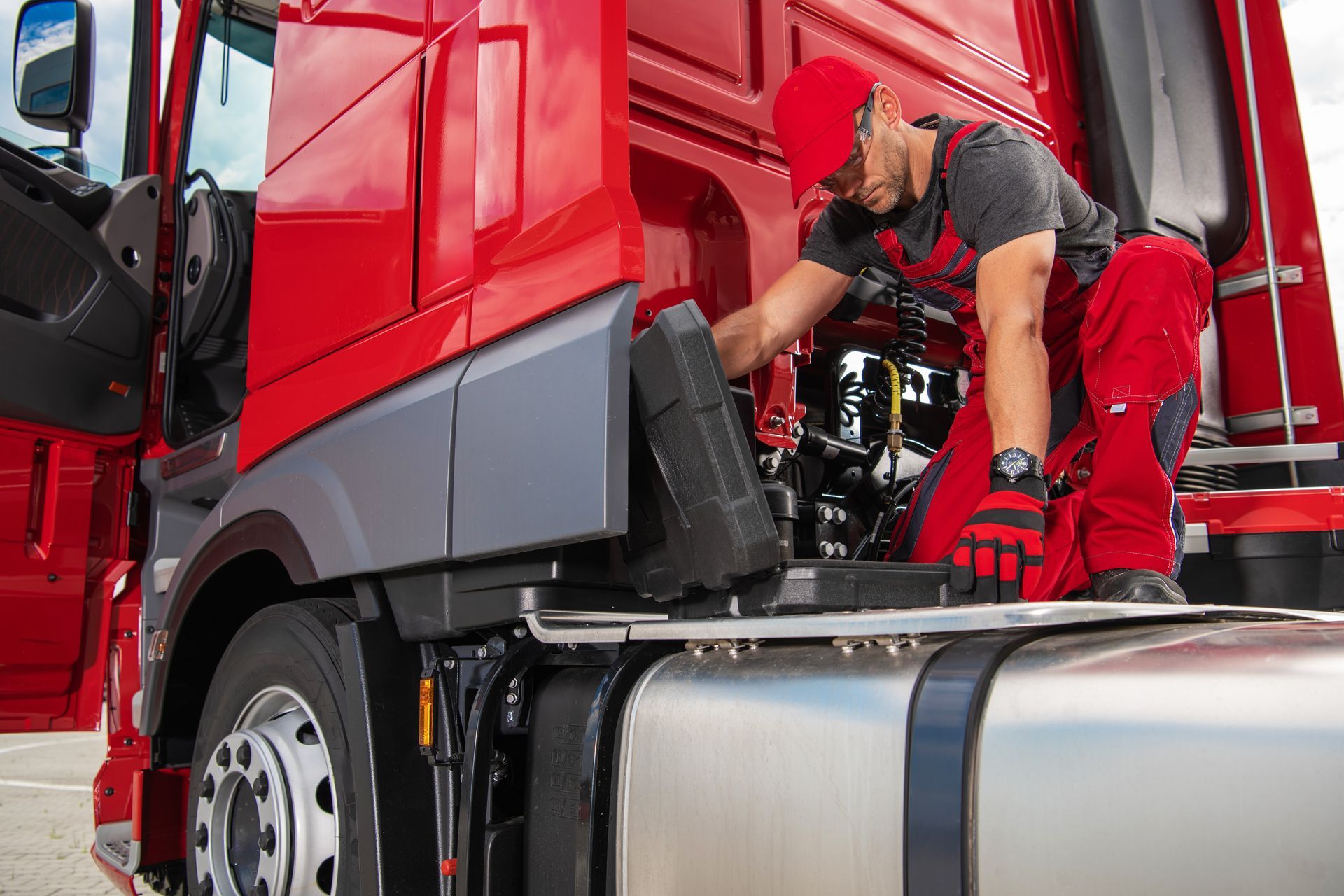
Preventative service tracks individual vehicle condition through documented inspections that identify components approaching end of service life, fluid analysis that detects contamination before damage occurs, and wear measurements that predict replacement timing based on actual deterioration rates rather than generic mileage intervals. Medium-duty trucks receive transmission service appropriate for stop-and-go delivery routes that generate more shift cycles than highway mileage suggests, while heavy-duty trucks undergo drivetrain inspection accounting for towing stress and payload weights that accelerate wear on differential gears, driveshaft universal joints, and suspension springs.
After establishing a maintenance schedule, your trucks complete planned routes without mechanical interruption, fluid leaks no longer appear on shop floors or customer job sites, and drivers report consistent vehicle performance without developing vibrations or unusual sounds that indicate emerging problems. Long-term service planning coordinates major component replacement across the fleet to distribute costs and prevent multiple simultaneous failures that would exhaust backup vehicle capacity.
Inspection protocols include brake system evaluation for trucks operating in mountainous terrain accessible from Englewood, emission system testing to maintain compliance with Colorado regulations, and electrical diagnostics for vehicles with aftermarket equipment installations that modify factory wiring. Certified fleet-service experience ensures repair documentation meets standards required for regulated commercial operations and government contract fulfillment.
Answers to Frequent Service Questions
Fleet managers balancing vehicle availability against maintenance costs typically want to understand service interval optimization, breakdown prevention strategies, and documentation requirements for commercial operations.
What does Colorado state fleet service certification indicate about repair capabilities?
Certification confirms the facility meets documentation standards, parts procurement traceability, technician qualification levels, and service procedure consistency required for government fleet contracts, indicating systematic approach to quality control beyond basic commercial repair competence.
How should maintenance intervals differ across light, medium, and heavy duty trucks?
Interval calculation must account for duty cycle severity rather than applying uniform mileage-based schedules, since a medium-duty truck making fifty delivery stops daily experiences more component stress per mile than a heavy-duty truck traveling equivalent highway distance between fewer stops.
When does fleet size justify preventative maintenance investment versus repair-on-failure approach?
Preventative maintenance becomes cost-effective when fleet size creates probability that breakdown frequency disrupts operations, when backup vehicle capacity cannot absorb unplanned downtime, or when contracts impose penalties for service failures caused by vehicle unavailability.
What brake maintenance do commercial trucks require beyond passenger vehicle service?
Commercial brake service includes slack adjuster verification on air brake systems, brake chamber diaphragm inspection for trucks with air brakes, rotor thickness measurement against legal minimum specifications, and documentation of brake performance testing required for Department of Transportation compliance.
Why does fluid analysis matter for fleet maintenance planning?
Fluid testing detects metal particles indicating bearing wear, coolant contamination suggesting head gasket leakage, and oil oxidation from extended service intervals, allowing scheduled component replacement before catastrophic failure generates secondary damage that increases repair costs and downtime duration significantly.
Bear Country Colorado supports contractors and commercial operators with convenient service access from across the Denver Metro area. Establish a maintenance relationship that protects fleet reliability while providing documentation appropriate for regulated commercial vehicle operation.